KakoBuy
THE KAKOBUY SPREADSHEET / CATALOG

KakoBuy Spreadsheet — Hoodies

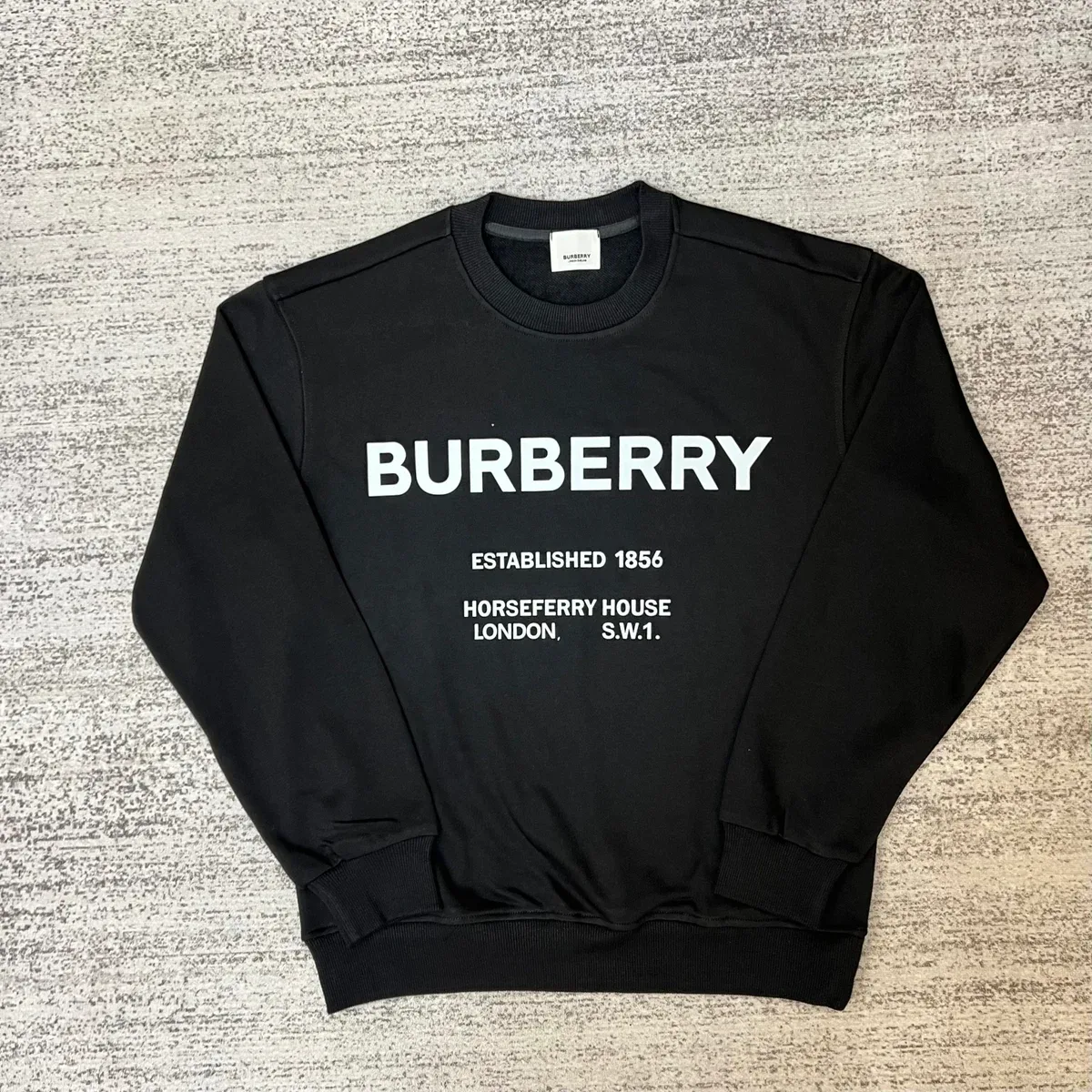
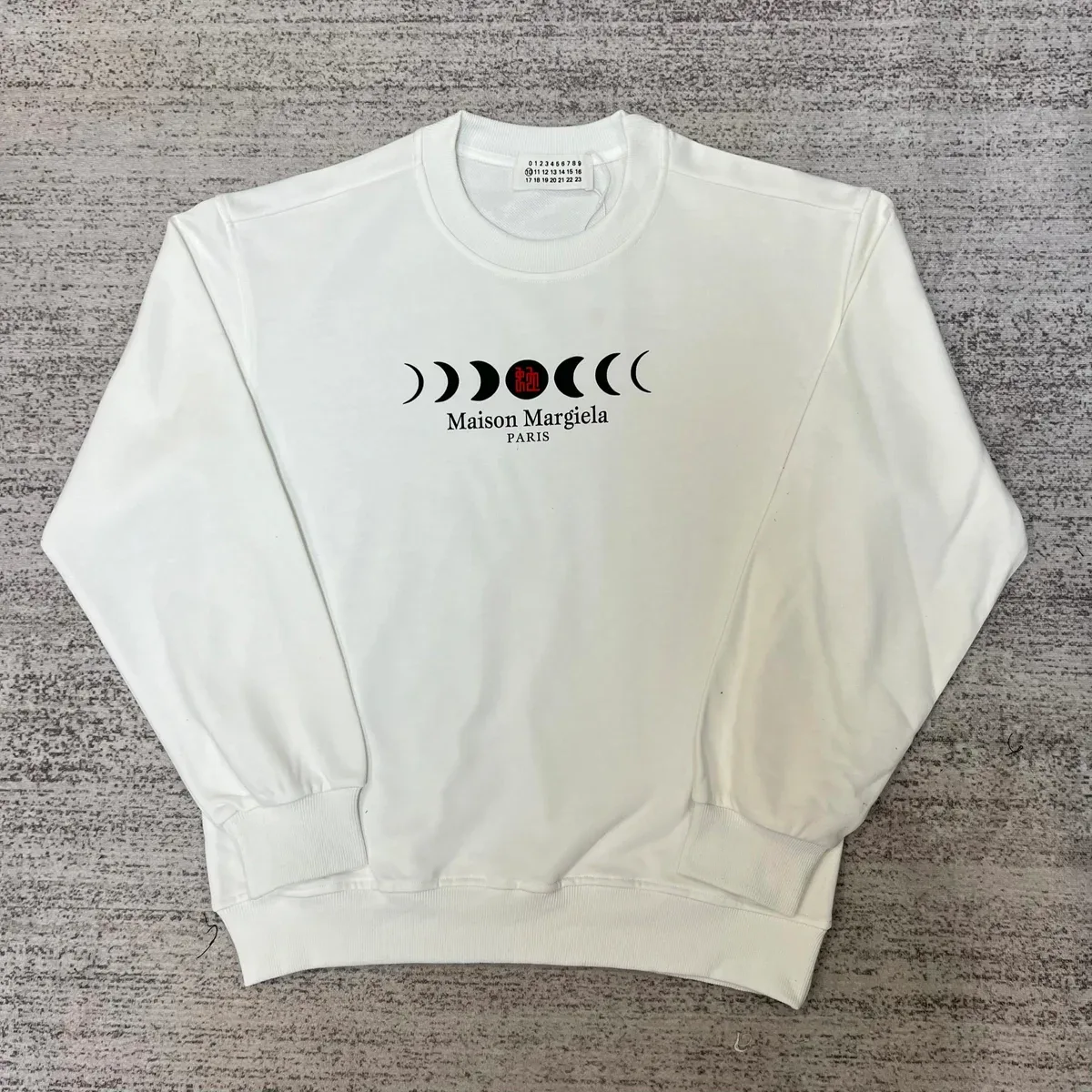
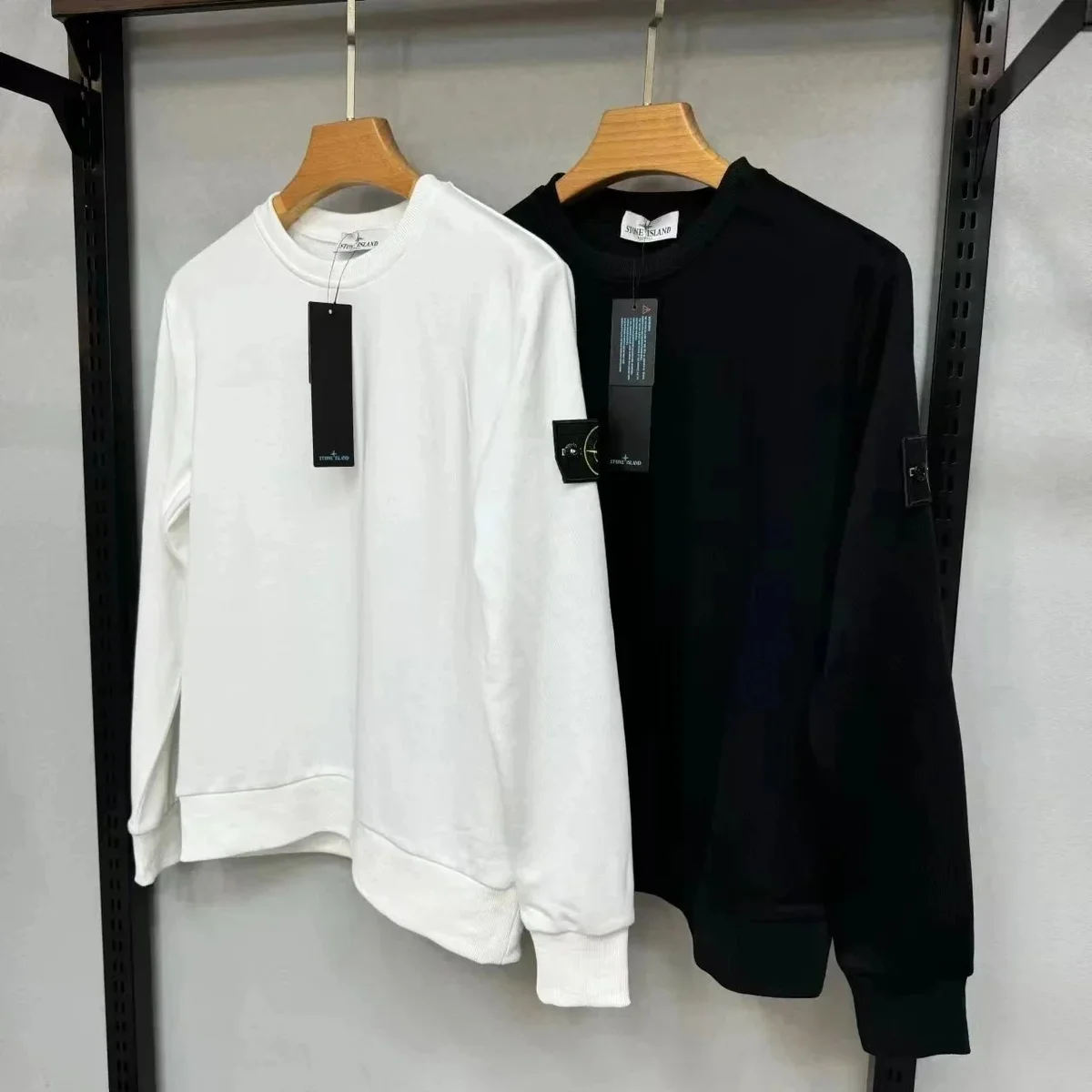
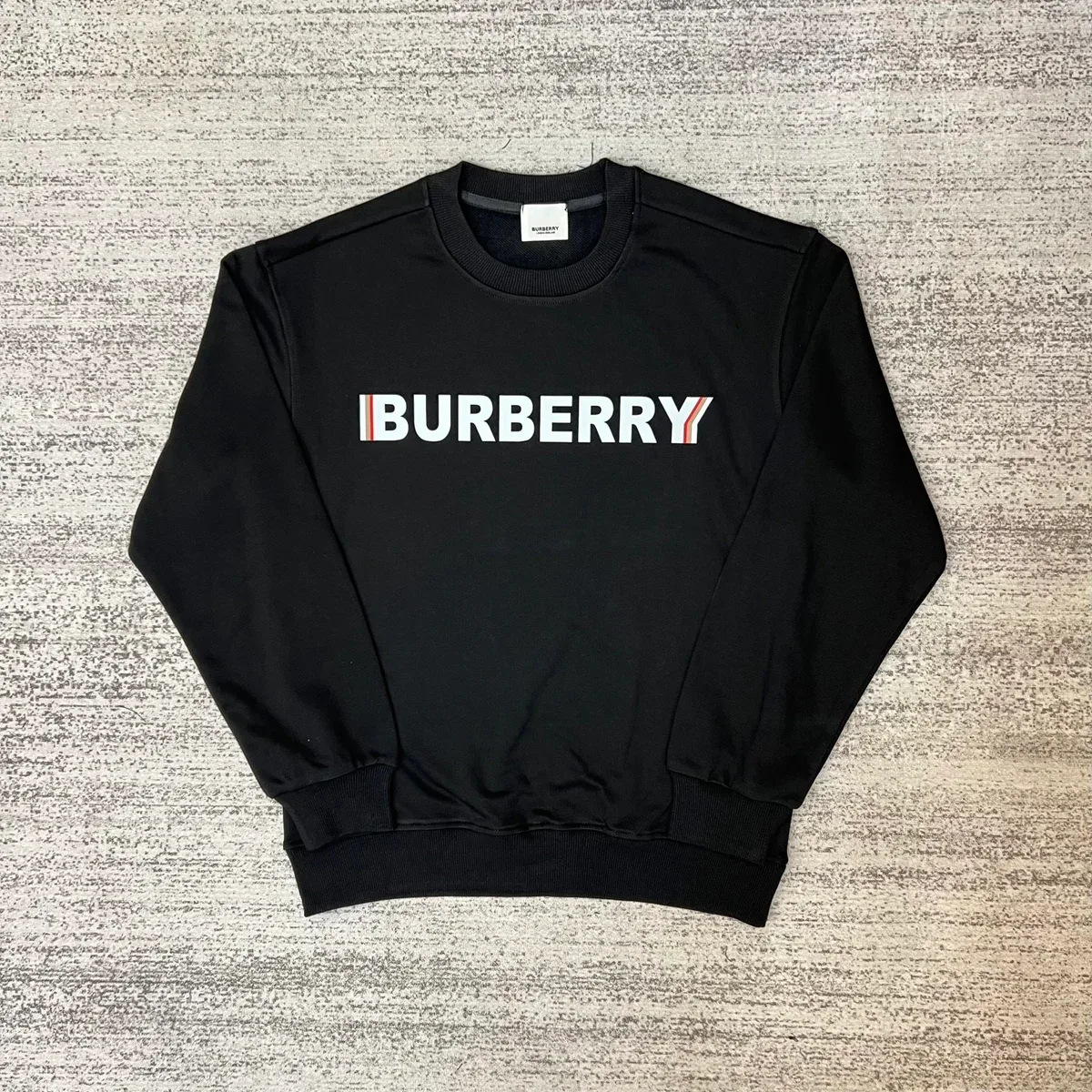
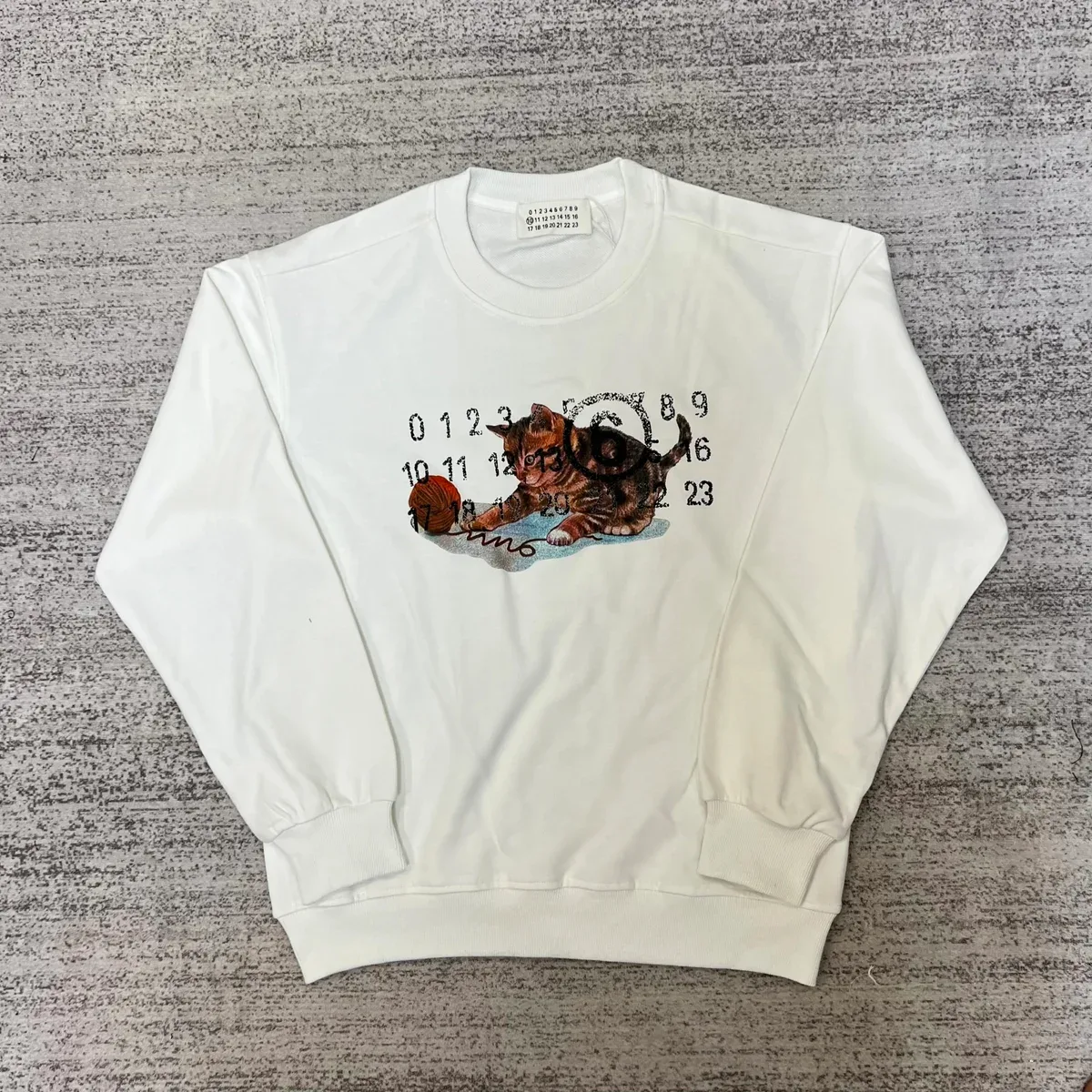
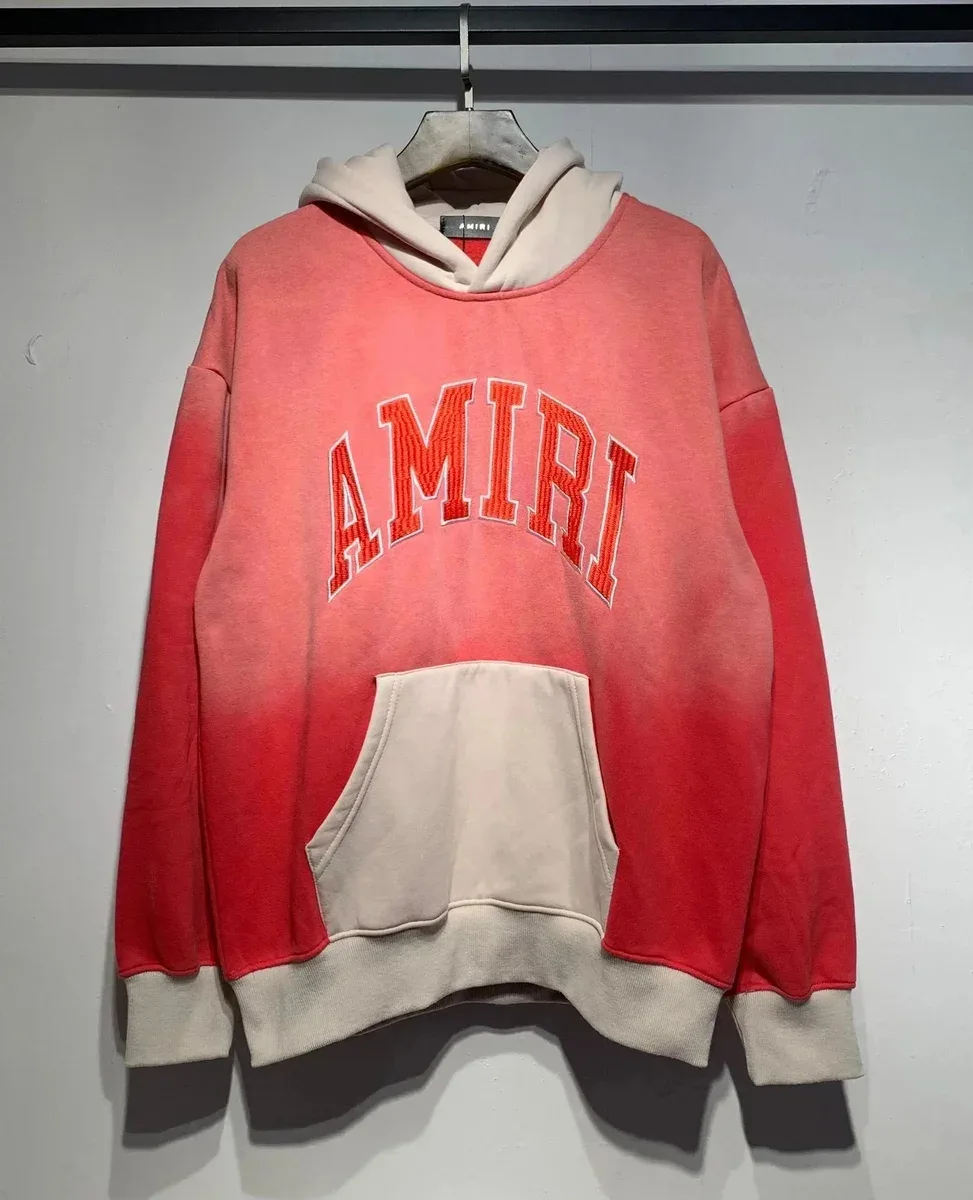
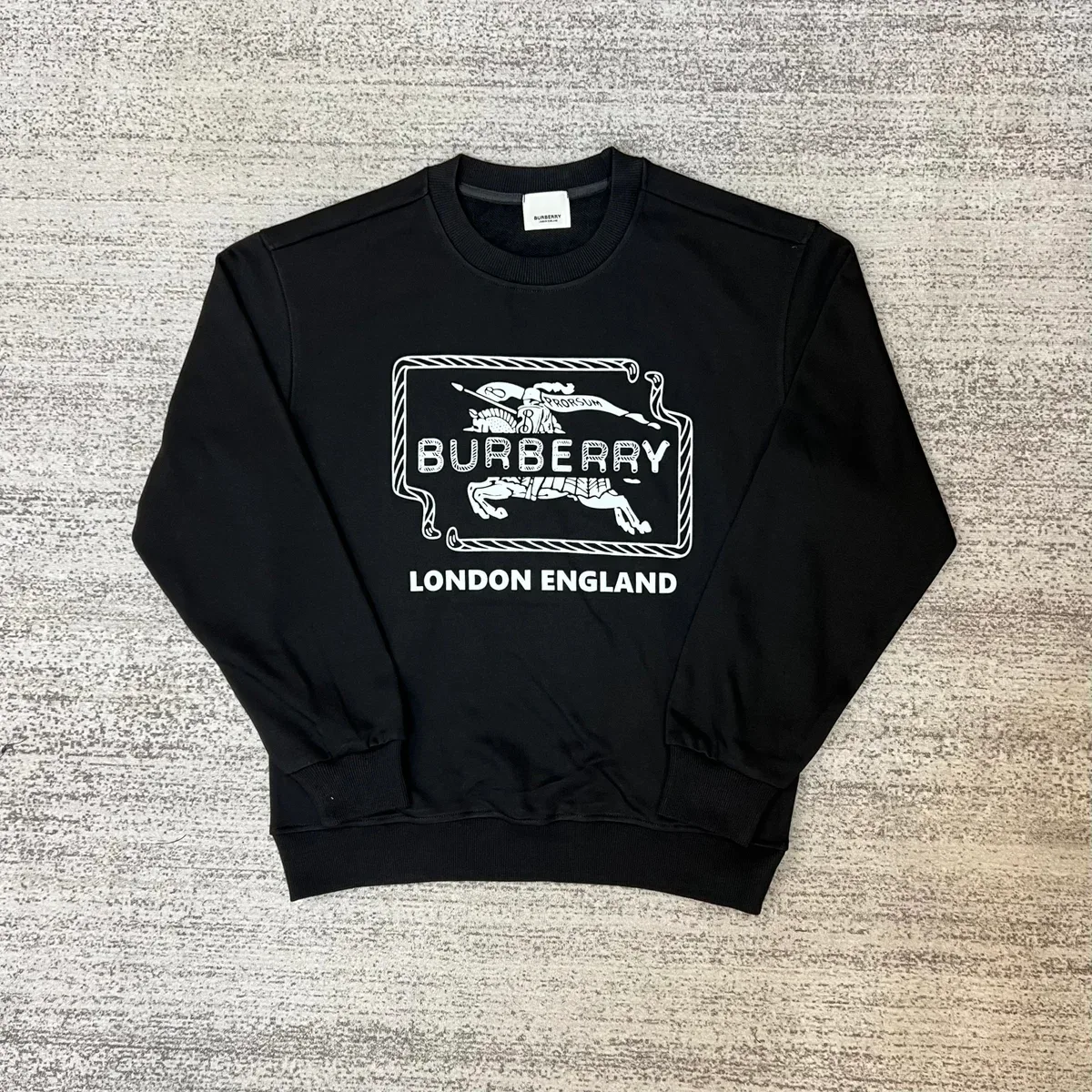
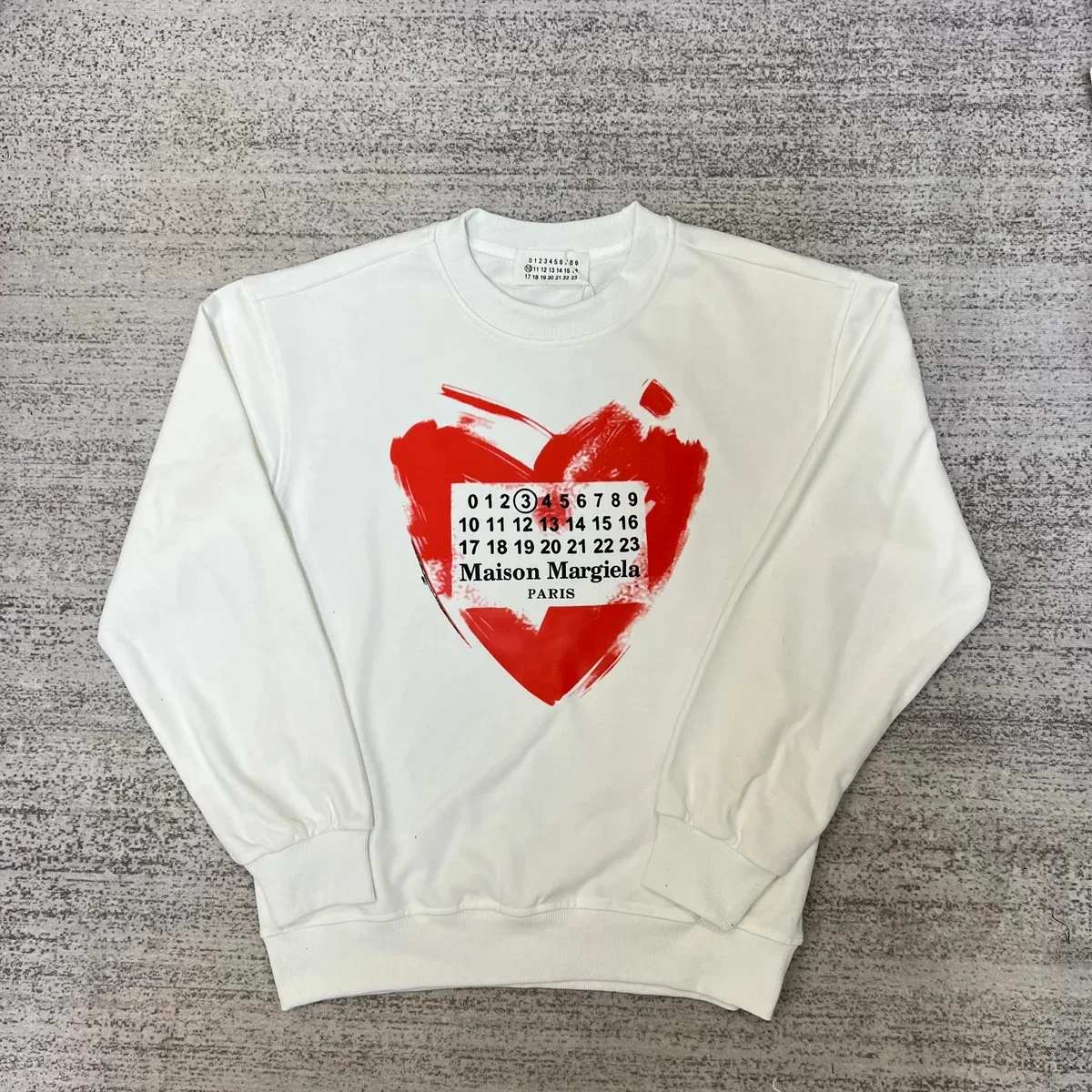
Compare hoodies and sweatshirts by the fit you want, from a shorter boxy shape to a longer layer. A familiar brand or letter size is only a starting point: the useful comparison is with a garment you already like wearing.

Check the fit. Lay your own sweatshirt flat and note its chest width, body length and sleeve measurement. Compare like-for-like measurements with the seller’s chart, including where each measurement starts and ends.

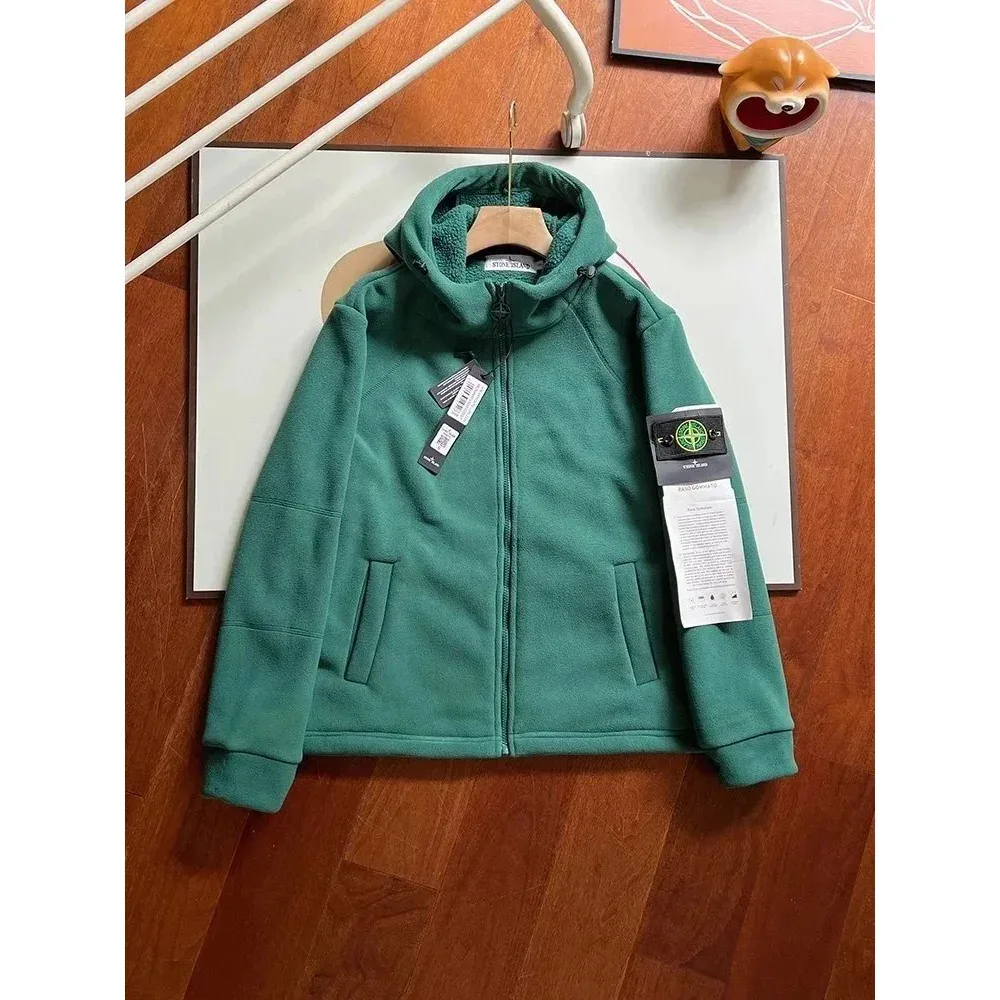
Before ordering. Check whether the selected version is a pullover, zip-up or crewneck. Read the listing for fabric and lining details rather than judging warmth from the photo, and confirm the colour and size before payment.

Choose a sweatshirt you will reach for

Decide whether this will be the main piece in an outfit or a layer under a jacket. Then compare the opening, body shape and graphic placement. A different construction may add more to your wardrobe than another version of a style you already have.

Pullover, zip-up or crewneck

A zip-up lets you vary how much of the layer underneath is visible. A pullover keeps a continuous front, while a crewneck avoids adding another hood beneath outerwear.

Body and hem shape

Compare where the hem ends and whether the ribbing pulls it inward. A shorter boxy body and a longer straight body can sit very differently over the same trousers.

Graphics under layers

Check both front and back designs. A chest graphic may be hidden by a closed jacket, while a large back print is mainly visible when the sweatshirt is your outer layer.

Questions about hoodies

A few details to help you compare your shortlist.

Which style makes sense for layering?

Think about the outer layer first. If its neckline is crowded by a hood, consider a crewneck. If you want to reveal a T-shirt or change the front opening, compare zip-ups. There is no single best option for every jacket and outfit.

Does a heavier-looking sweatshirt mean it is warmer?

A photograph cannot confirm fabric weight, lining or thermal performance. Look for a written fabric description and lining details. Do not assume that two similar-looking versions use the same material.

Why do two oversized sweatshirts look different?

Oversized can refer to several proportions: a wider chest, dropped shoulders, longer sleeves or extra body length. Compare those features separately. A wide, short sweatshirt will not create the same outline as a wide, long one.